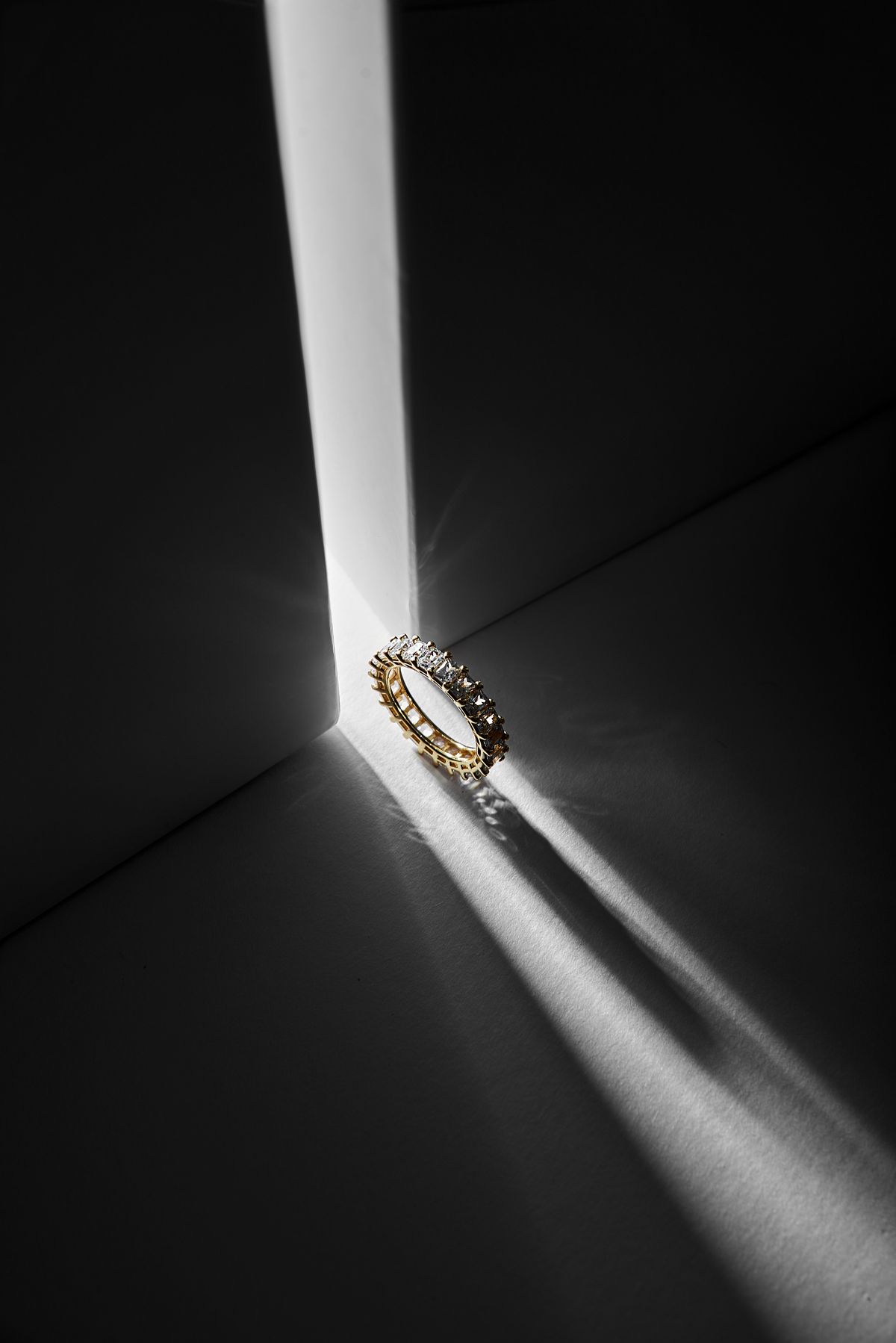
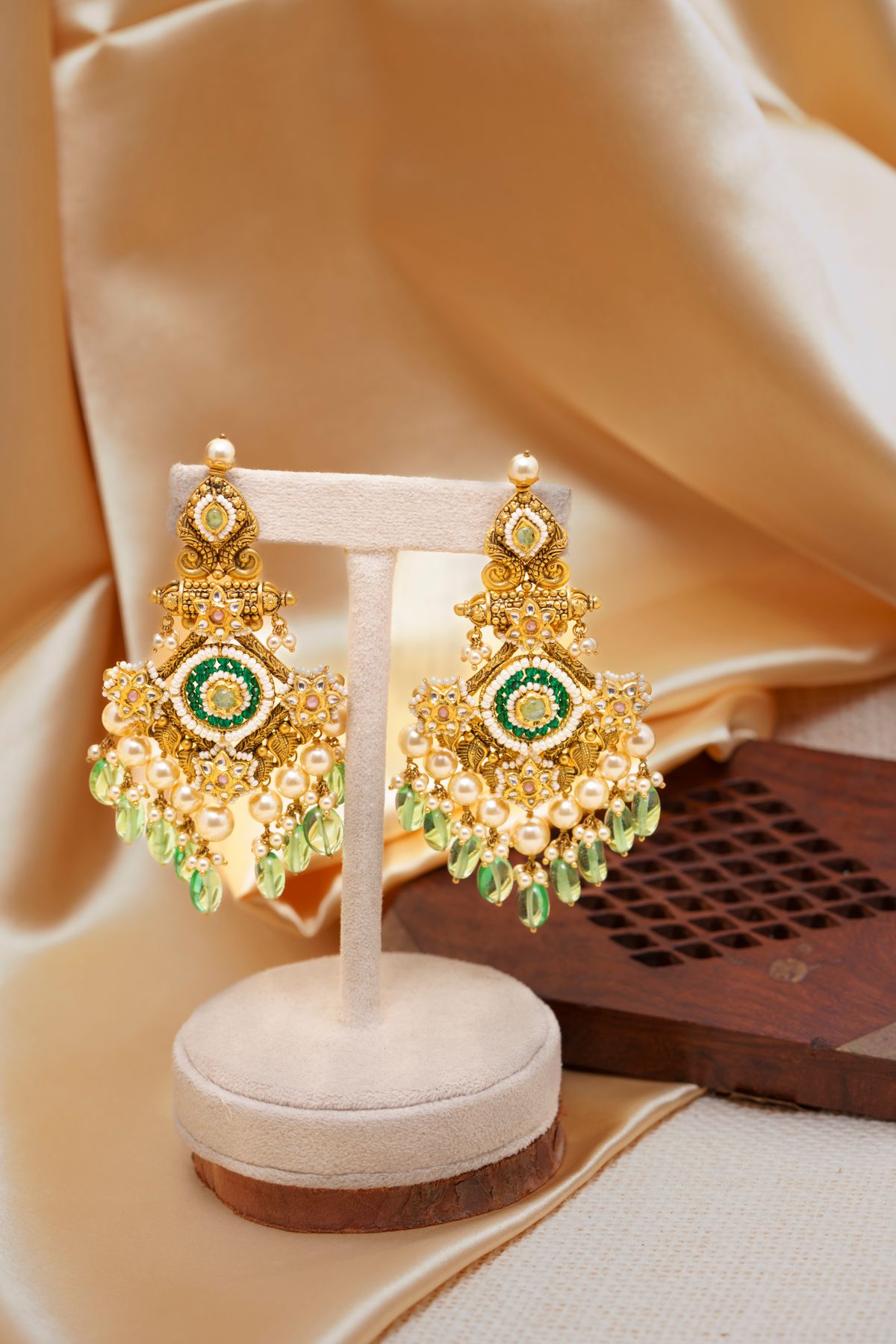
A season of directions in one sitting.
One brief — typed, spoken, or a photo of a sketch — returns distinct variations: different settings, profiles, personalities. Review them the way you review a sample tray, without waiting on a render queue.
AI jewelry design · built for the trade
SCULPT turns a plain-language brief into a manufacturing-ready design in seconds — exact stone counts, hallmark-grade metal specs, casting yield, technical drawings, and castable 3D files. Not a mood board. A document your workshop can build from.
Text, voice, or a sketch — in any language. Built for jewelry brands, manufacturers, and retail design teams.
Seconds
from brief to first renders
3 inputs
text, voice, or a sketch
Any language
spoken naturally, even mixed
4 exports
PDF · GLB · STL · OBJ
The cycle today
SCULPT collapses that cycle into a conversation. Brief, render, specification, blueprint — settled before the meeting ends, so CAD hours go to designs that already have a yes.
The studio
Each one exists to shorten the distance between a client’s sentence and a piece your workshop can cast.
One brief — typed, spoken, or a photo of a sketch — returns distinct variations: different settings, profiles, personalities. Review them the way you review a sample tray, without waiting on a render queue.
Precise mode fixes stone counts, placement, and symmetry before the image is drawn, then verifies the render against the brief. What the client approved is what the factory receives.
Lasso the one detail that's wrong and say what should change — typed or spoken. The rest of the design stays exactly as approved. No re-briefing, no regenerating the whole piece.
Every design exports a technical line drawing and a PDF specification — metal, fineness, stone table, dimensions, hallmark fields. Numbers a workshop can act on.
Generate a 3D model of the approved design and export GLB, STL, or OBJ — ready for CAD refinement or a direct print-and-cast workflow. Production NURBS (STEP / 3DM) is next on the roadmap.
Match any generated design against your existing inventory. When a near-identical piece is already in the case, the sale closes today — the casting can follow.
The range
One studio covers the counter’s whole vocabulary — minimal western lines, dense traditional work, and everything between. Describe it. The numbers follow.


Built for the trade
A render your client loves is half the job. SCULPT writes the other half: the specification your workshop actually reads — fineness computed from karat, BIS hallmark fields, per-stone counts and cuts, and the casting-yield math that decides your metal order.
Manufacturing specification
Gemstone details
| # | Type | Qty | Ct / pc | Cut | Size |
|---|---|---|---|---|---|
| 1 | Diamond | 1 | 1.00 ct | Round Brilliant | 6.5 mm |
| 2 | Diamond | 14 | 0.02 ct | Round Brilliant | 1.3 mm |
Hallmark
Casting yield
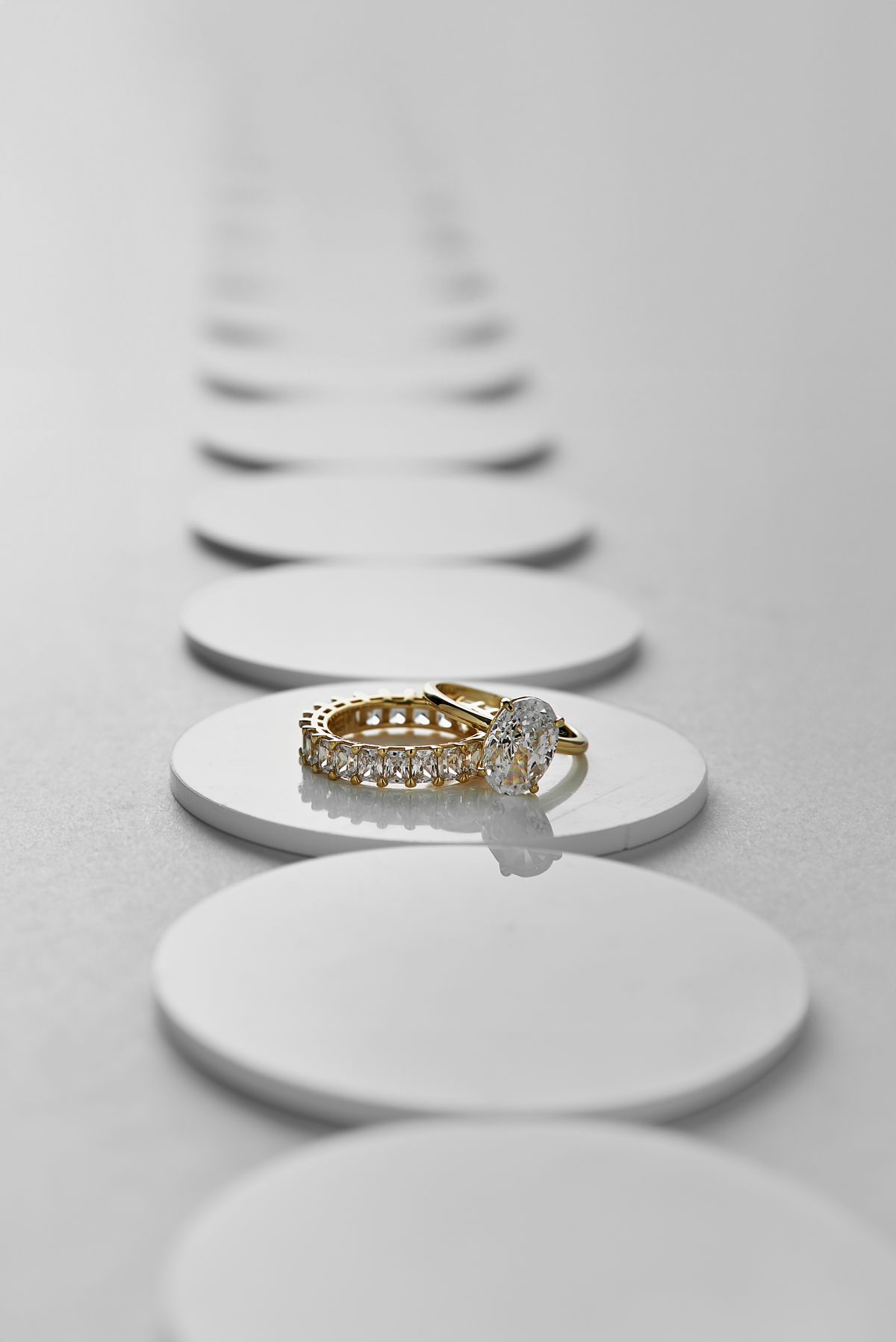
Shared-prong halo, 14 stones verified. Knife-edge profile held through the shank. High polish, rhodium-free.
Precision
Generative tools are easy to demo and hard to trust. SCULPT earns trust the only way that counts in this trade: by being checkable.
Precise mode renders from a deterministic placement engine, then checks the finished image against the brief — stone by stone. Drift is rejected and re-rendered. And when a piece is genuinely too dense to count, the spec says estimated. It never pretends.
Karat resolves to fineness automatically. Hallmark fields follow BIS conventions. Cuts are named properly — round brilliant, marquise, asscher — not guessed at.
Every specification is sanity-checked against physics. If the gemstone mass exceeds the stated total weight, the spec is flagged before it reaches a client or a caster.
Roles for owners, admins, and designers. Every generation logged with its cost. Your catalog, your designs, your usage — visible on one dashboard.
Begin
Open the studio, describe the piece, and take the blueprint to the bench.
APP.SCULPTJEWELS.COM